Raised on Sweet Tea Jesus: A Designer's Honest Review
When I sit down to review a design asset, I look at it through the lens of a finished project. I ask myself: Will this stitch out cleanly? Will it sell? Does it solve a creative problem for my shop? The Raised on Sweet Tea Jesus design package landed in my inbox, and I immediately saw its potential for the faith-based and Southern lifestyle markets. But before you hoop up, let me break down how this graphics set performs as a practical tool for embroidery designers, small business owners, and Etsy sellers. I’ll walk you through the visual impact, the technical hurdles, and the real-world profitability of turning this into a handmade product.
First Impressions – Southern Charm Meets Marketable Faith
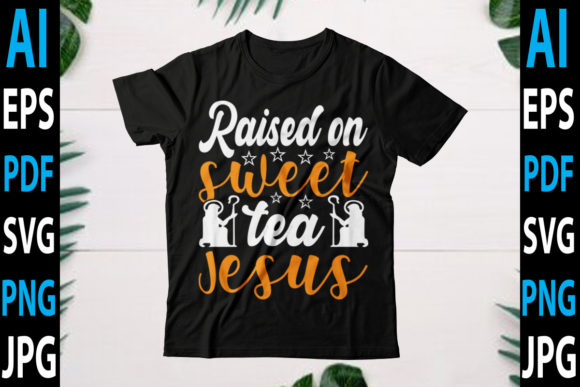
The name alone tells you exactly who this is for. It carries a specific, nostalgic mood that resonates with customers who value tradition, family, and faith. The visual personality of Raised on Sweet Tea Jesus feels warm, rustic, and unpretentious. It isn’t a generic religious slogan; it’s a lifestyle statement. For a craft business, this kind of authentic branding is gold. It separates your small shop product from mass-produced alternatives. The typography and layout are likely designed to evoke a hand-lettered or vintage sign aesthetic, which translates beautifully into custom apparel and home decor. If you sell at craft fairs in the South or run an Etsy shop targeting that demographic, this design asset immediately grabs attention.
File Formats – A Flexible Foundation for Your Embroidery Project
You will receive this design in the following formats – 1 AI – 1 EPS – 1 PNG transparent – 1 SVG – 1 PDF you can change the design color. For an experienced maker, this is a huge advantage. Native machine embroidery files (like PES or DST) lock you into a specific size and stitch type. With an SVG or AI file, you have total control. You can resize it without losing quality, tweak the colors in your vector software, and import it into your digitizing program (like Hatch, Wilcom, or Embrilliance) to create a custom embroidery file. This flexibility allows you to tailor the stitch types—satin stitch for the lettering, fill stitch for larger areas—to match your specific fabric texture and hoop size. The transparent PNG is also a lifesaver for creating printable mockups for your Etsy listings or craft fair previews without stitching a sample first.
Real-World Applications – From Tote Bags to Tea Towels
This design naturally belongs on cozy, textured fabrics. I immediately pictured it on a cream-colored sweatshirt, a sturdy canvas tote bag, or a set of linen kitchen tea towels. The rustic theme also makes it a fantastic candidate for baby embroidery, like a onesie for a Southern baby shower, or a personalized gift for a church friend. For boutique branding, this could be your signature piece. Imagine a customer walking into your booth looking for a gift for her mother who “raised her on sweet tea and Jesus.” You can show her a mockup on a sweatshirt, an apron, and a pillow cover. That’s a multi-product sale built on a single design asset. It also works well for framed hoop art, which is a popular category for handmade product sellers at holiday markets.
Technical Deep Dive – Digitizing for Stitching Success
Because you are working with a graphic file rather than a ready-to-stitch machine embroidery design, you need to pay close attention to the digitizing process. Small script fonts or thin lines in the SVG might look great on screen, but when converted to a satin stitch, they can become too narrow or lose detail. You may need to widen strokes or adjust the underlay to ensure the stitches don’t sink into the fabric. Always test your digitized version on a scrap fabric first. Check your stitch density—dense fill stitches on thick, textured fabrics can cause puckering. Use a quality cutaway stabilizer, especially for stretchy fabrics like sweatshirts. A medium hoop size, around 5x7 or 6x10, will give the lettering enough room to breathe. If you plan to stitch it on a curved surface like a cap, simplify the design to avoid distortion in the detailed corners.
Selling Your Finished Products – The Business Angle
For an Etsy seller or craft business owner, Raised on Sweet Tea Jesus has high giftability and recognition. It’s a perfect option for holiday gifts, Mother’s Day, or just-because presents. To build customer trust, use the PNG file to create professional printable mockups showing the design on a real product. This drives buyer engagement because customers can immediately see the finished product in their own homes. When listing your items, be sure to check the licensing terms. Since this is a digital embroidery file asset in the Crafts and Graphics categories, you need to confirm that your license covers commercial use of the physical products you intend to sell. Most standard graphic licenses allow for handmade product sales, but it is your responsibility to verify before you start production.
Potential Pitfalls – Where to Use Caution
This design requires a bit of preparation. Avoid using it on very technical or high-performance sportswear; the charm is in its warmth, so stick to natural fabrics like cotton, linen, and soft knits. Be wary of the density trap when digitizing. If the original vector has thin strokes, your embroidery file might need a running stitch instead of a heavy satin stitch to prevent the design from becoming too stiff. Always test thread color contrast. A dark brown or black outline with a soft cream or coral fill evokes that nostalgic sweet tea vibe. Harsh neons will ruin the mood. If you are stitching on dark fabric, make sure the white or light-colored elements have enough density to cover the background without showing gaps.
The Verdict – A Smart Addition to Your Design Assets
I give Raised on Sweet Tea Jesus a strong recommendation for makers who are comfortable with digitizing or using vector files to create custom embroidery files. The theme is authentic, the target audience is clear, and the potential applications are broad. It loses a slight edge only because it requires an extra step compared to a ready-to-stitch machine embroidery design. But for the savvy creative entrepreneur who wants to offer a unique, story-driven product, this is a must-have. It will stand out in a crowded market of generic faith-based designs and build a loyal following for your small shop. Stitch it, sell it, and watch your customers connect with it.